In today’s technologically advanced vehicles, sensors play a critical role in ensuring optimal performance, safety, and efficiency. They provide real-time data to the car’s electronic control unit (ECU), which uses this information to make necessary adjustments and maintain the smooth operation of the vehicle. From monitoring engine parameters to enhancing safety features, sensors are the unsung heroes that keep our cars running smoothly and efficiently.

Wagner offers a wide range of high-quality sensors designed to meet the needs of car mechanics and distribution partners.Check the type of sensors we provide, along with their roles and functions.
Wagner is offering a One-Stop-Shop for car sensors, an unmatched range of nearly 3.000 sku’s and the best coverage in each sensor category in EMEA*, to meet the needs of mechanics.
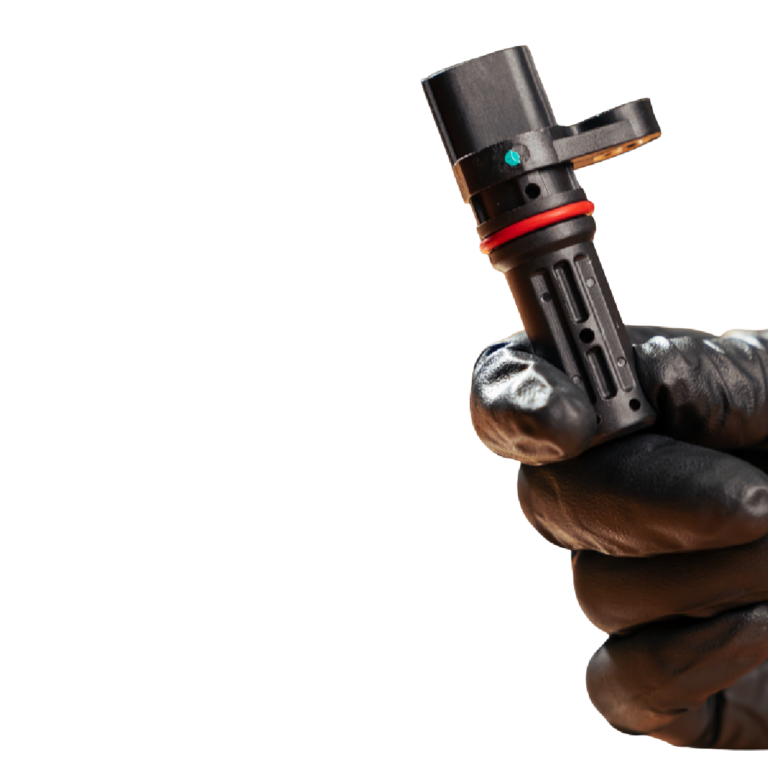
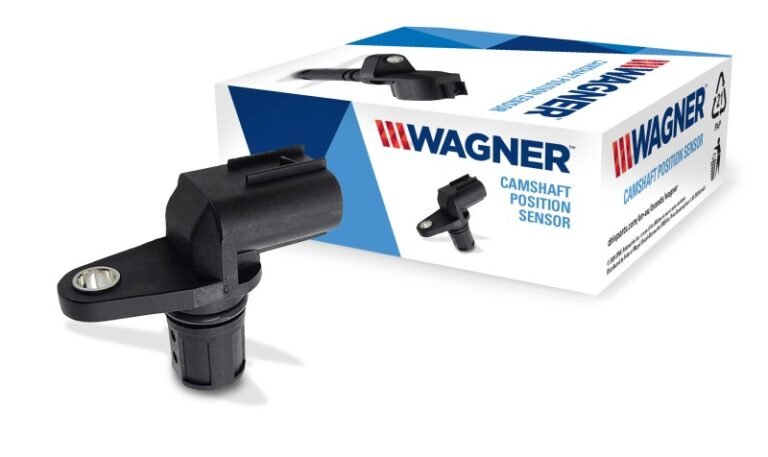
Role: The camshaft position sensor monitors the position and rotational speed of the camshaft.
Function: This information is critical for the ECU to control the timing of the fuel injection and ignition systems. Proper camshaft positioning ensures that the engine’s valves open and close at the right times, leading to efficient engine performance and reduced emissions.
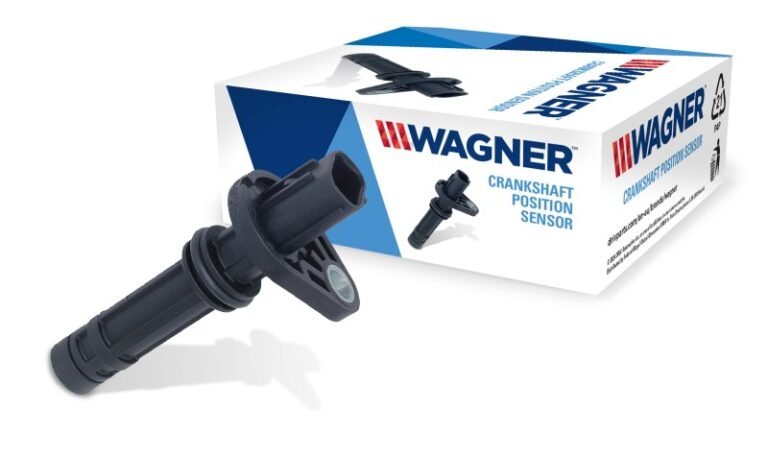
Role: The crankshaft position sensor measures the position and rotational speed of the crankshaft.
Function: It provides data to the ECU to determine the precise moment to fire the spark plugs and inject fuel. Accurate crankshaft positioning is essential for engine synchronization, preventing misfires, and ensuring smooth engine operation.
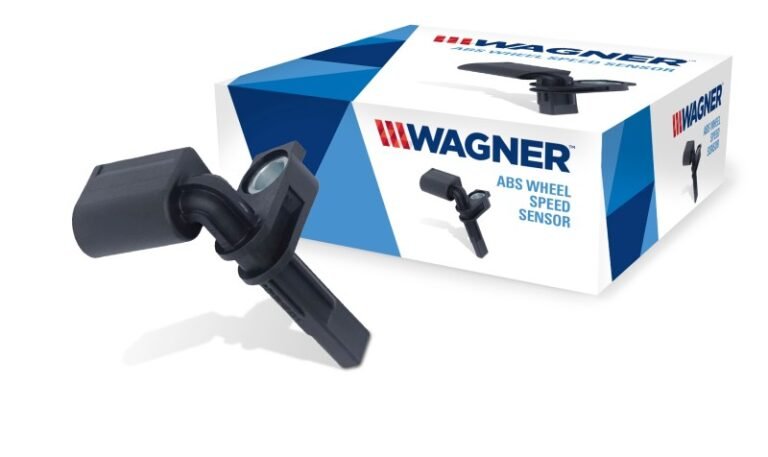
Role: Wheel speed sensors detect the speed of each wheel.
Function: They are integral to the anti-lock braking system (ABS) and traction control system (TCS). By monitoring wheel speed, these sensors help maintain vehicle stability and control, especially during sudden braking or on slippery surfaces.
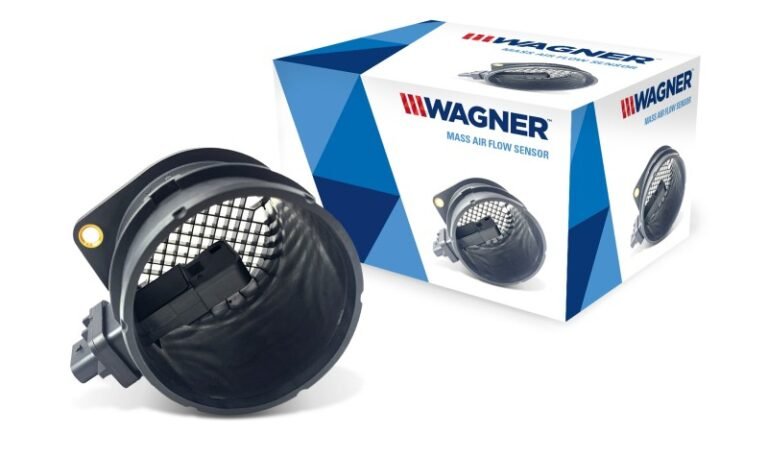
Role: The mass air flow sensor measures the amount of air entering the engine.
Function: This data is used by the ECU to determine the optimal air-fuel mixture for combustion. Proper air flow measurement is crucial for engine efficiency, fuel economy, and reducing emissions.
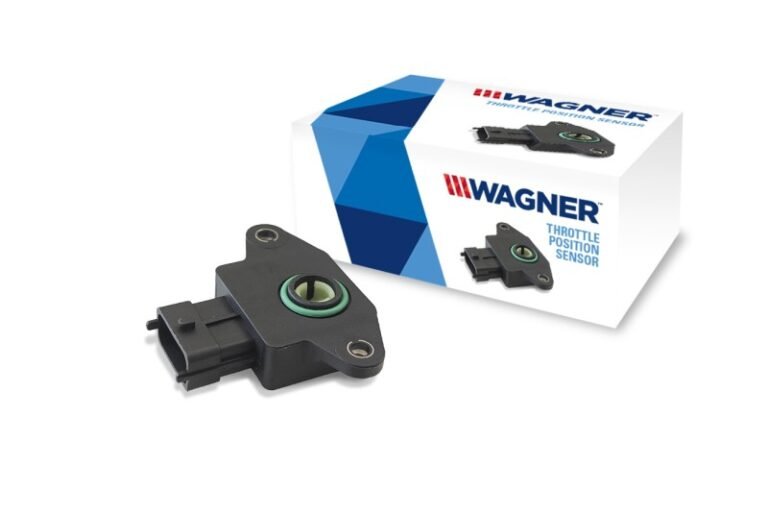
Role: Throttle position sensors monitor the position of the throttle valve.
Function: They provide feedback to the ECU to control the amount of air entering the engine. This helps in regulating the engine’s power output and maintaining smooth acceleration and idling.
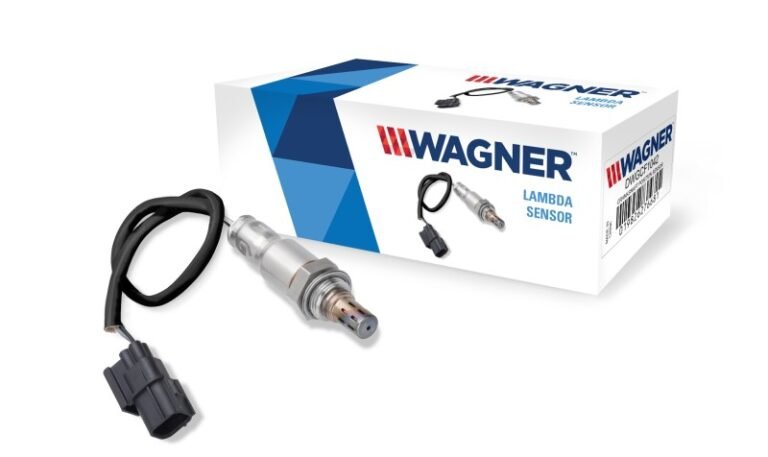
Role: Lambda sensors measure the oxygen levels in the exhaust gases.
Function: This information is vital for the ECU to adjust the air-fuel mixture to ensure complete combustion. Proper oxygen sensing helps in reducing harmful emissions and improving fuel efficiency.
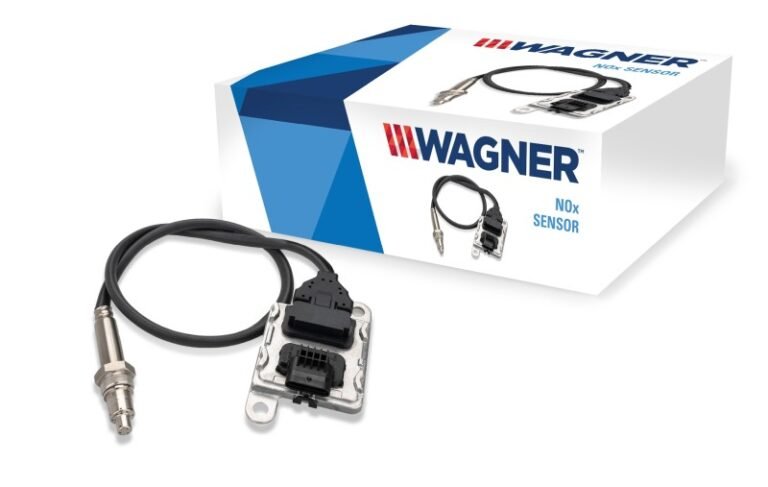
Role: NOx sensors detect the levels of nitrogen oxides in the exhaust gases.
Function: They are essential for monitoring and controlling emissions of NOx, which are harmful pollutants. The data from NOx sensors helps the ECU in making adjustments to reduce emissions and comply with environmental regulations.
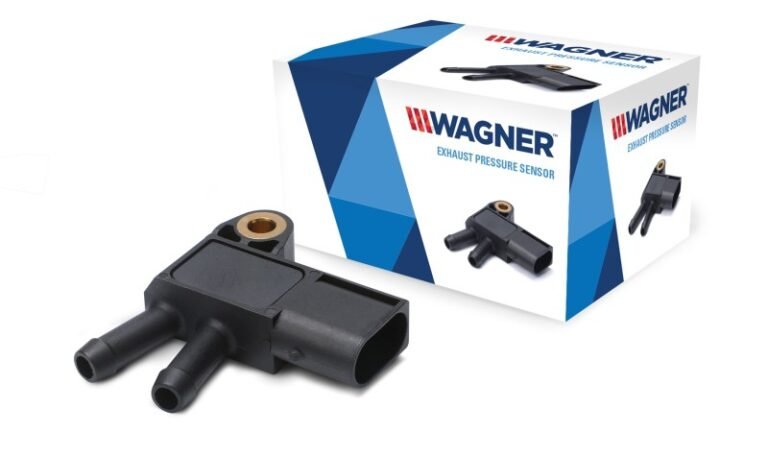
Role: Exhaust pressure sensors measure the pressure in the exhaust system.
Function: They provide data that helps in optimizing the exhaust flow and turbocharger performance. Proper exhaust pressure monitoring can enhance engine efficiency and reduce backpressure, leading to improved performance.
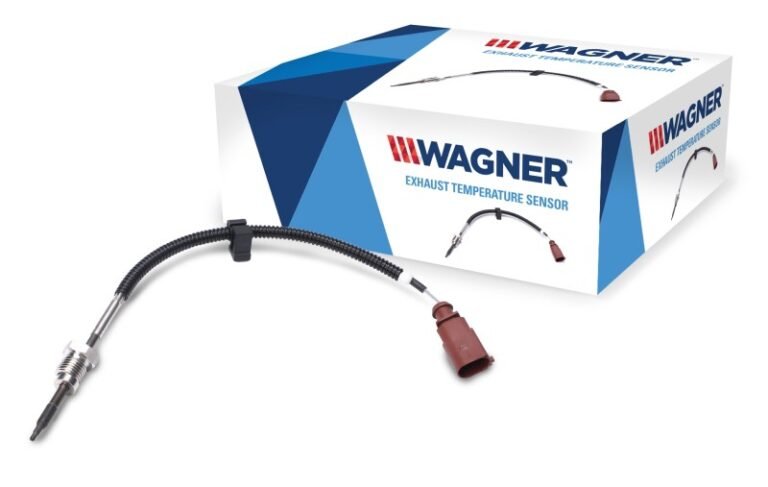
Role: Exhaust temperature sensors monitor the temperature of the exhaust gases.
Function: This information is used to protect components from overheating and to optimize the performance of the catalytic converter and turbocharger. Accurate temperature monitoring is crucial for maintaining the health of the exhaust system and ensuring efficient engine operation.