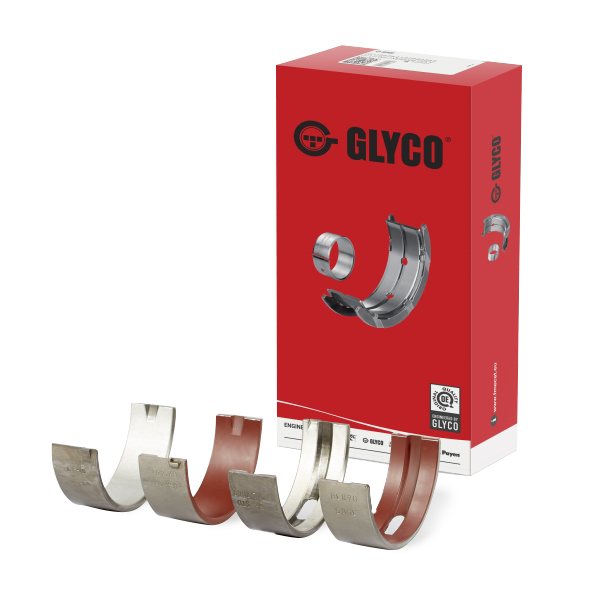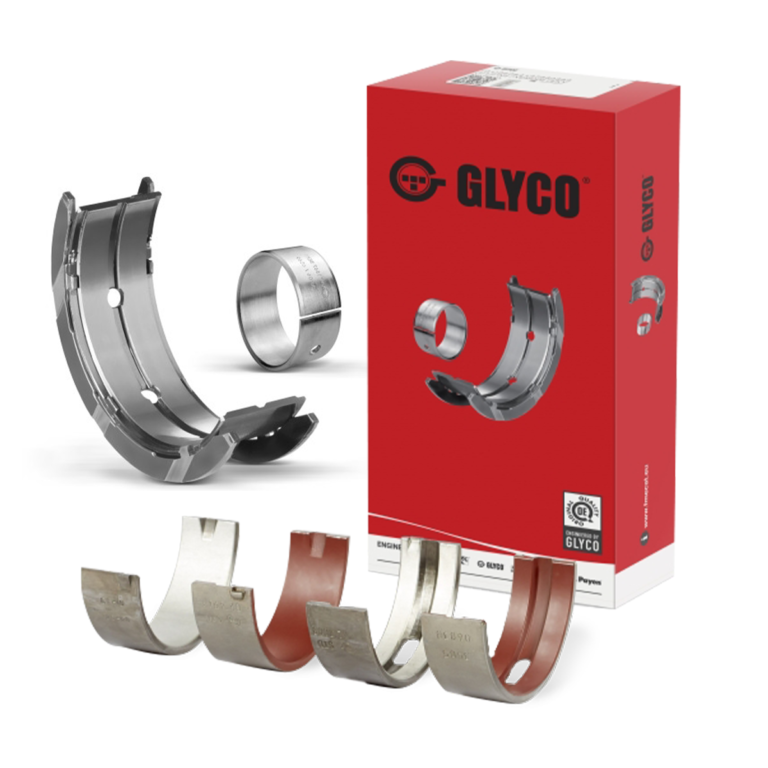

For over 125 years, Glyco is a global leader in engine bearing technology, offering an extensive range of bearings and materials, backed by leading German technology, product longevity and reliability, and strong customer support.
Glyco® delivers highly respected products and an unrivalled range of engine bearings and materials to the automotive market. Engineered in Germany and sold in 10 million automotive, maritime and stationary engines and agricultural and construction equipment every year. Glyco brings its OE-proven technologies to the aftermarket, with designs optimized for each application.
The Glyco® IROX® & IROX2® bearing overlay can help increase the life of crankshafts and bearing shells by more than five times, in the most demanding applications and drive cycles such as start-stop. The Glyco® IROX® & IROX2® technology is so effective that it is possible to use cost reducing aluminium based linings instead of the more expensive copper.
For over 125 years, Glyco is a global leader in engine bearing technology, offering an extensive range of bearings and materials, backed by leading German technology, product longevity and reliability, and strong customer support.
Tenneco (Glyco’s parent company), is a Global OE engine bearings, bushes and thrust washers manufacturer, producing and delivering to OEM’s, the OE Spares market and the Aftermarket. We deliver engine parts to the majority of European car manufacturers for both Light Vehicles as Commercial Vehicles.
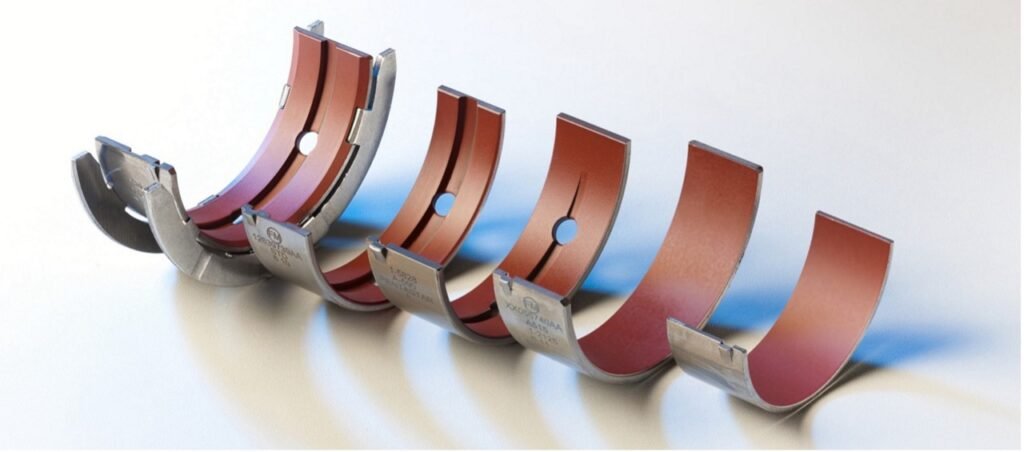
In an internal combustion engine, there are certain areas where components move against each other. In these areas friction can lead to wear and damage of the components involved. To avoid these effects bearings are employed. A bearing has the job of transmitting power, of reducing friction and of preventing wear on expensive engine parts. On top of this, bearings should be both economical and quick and easy to replace in case of damage.
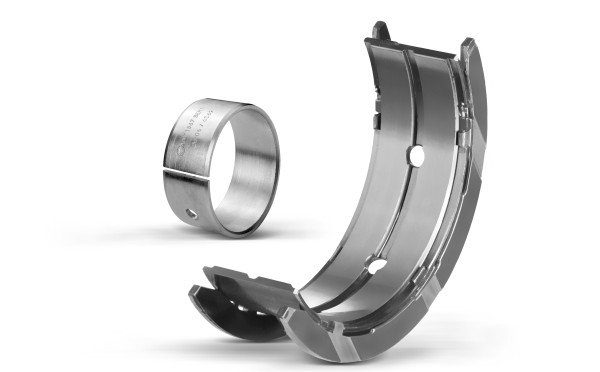
The most important engine bearings are for the crankshaft and camshaft. The crankshaft is held in the crankcase by the main bearings and the connecting rod bearings link the crankshaft to the piston via the connecting rod. Engineers distinguish between different kinds of bearings in various ways:
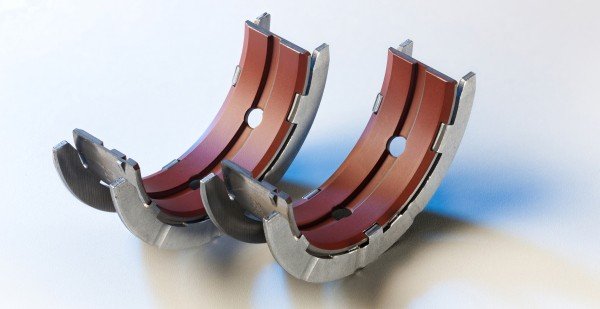
Glyco IROX® & IROX2® polymer-coated bearing shells address the lubrication challenges associated with heavily boosted engines and with the frequent engine restarts, typical for hybrids and start-stop powertrains. In the most demanding applications, IROX® & IROX2® polymer-coated bearings can help increase the life of crankshaft and bearing shells by more than five times. IROX® & IROX2® technology may also reduce friction by up to 50% compared to conventional bearings, potentially cutting CO2 emissions, improving fuel economy, and releasing more power.
Glyco Sputter Bearings® Glyco 399 & Glyco 499 can meet the extreme demands imposed by commercial vehicles engines, in terms of withstanding loads and providing long life. Dirt and geometric inaccuracies in the crankshaft may cause boundary friction, which in turn can lead to local heating and bearing damage. Thus, the bearing’s specific load withstanding capacity falls with increasing sliding speed (i.e., increasing engine rpm). Conversely, the lubricant film thickness (and with it the bearing’s load-withstanding capacity) falls with decreasing sliding speed. If the lubricant film thickness is about the same as the height of roughness peaks, mixed friction will result, and the consequent frictional heat also reduces the bearing’s load-withstanding capacity and lifetime.
Glyco G-688® is an ‘intelligent’ lead-free bearing material which can resist high loads. It is soft and adaptable during the running-in phase, but becomes hard and fatigue-resistant throughout the rest of its lifetime. Glyco lead-free sputter technology uses a physical vapor deposition process to produce an exceptionally uniform alloy matrix on the surface of specially prepared bearings. This is the most durable bearing material known, and is ideally suited to withstand the very high loads of modern engines
Bushings are used in the small con rod eye, with camshafts and in some cases at the end of the crankshaft.